


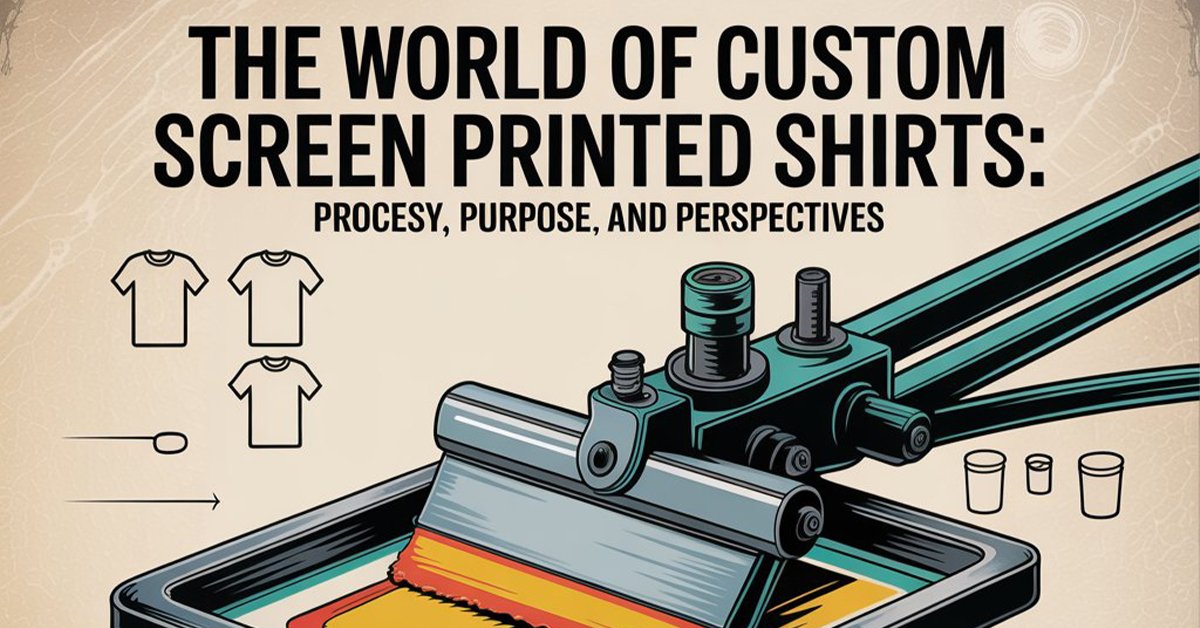
Custom screen printed shirts occupy a unique space at the intersection of craftsmanship, communication, and clothing. Though often viewed as casual or everyday items, these garments carry deeper functions—serving as tools for storytelling, branding, protest, creativity, and belonging. Screen printing, while technically demanding, enables bold and lasting designs that have shaped personal wardrobes and public culture alike.
Understanding Screen Printing as a Technique
Screen printing is a manual process that involves creating a stencil (or “screen”) and using it to apply layers of ink onto the surface of a shirt. Unlike digital printing—which applies ink in one pass—screen printing builds each color one layer at a time. This results in thick, vivid prints that are particularly durable.
Key Components of the Process
- Stencil Creation: The design is separated by color and transferred onto mesh screens coated in emulsion. Exposure to light hardens the emulsion, except where the image blocks it, forming a stencil.
- Printing: Each screen is placed on the shirt in sequence. A squeegee is used to pull ink across the screen, forcing it through the open areas onto the fabric.
- Drying/Curing: Shirts are then passed through a high-temperature dryer, allowing the ink to cure (set). This step is essential for preventing cracks or fading.
Every color in a design requires its own screen, making multi-color printing more time-consuming—but also more precise and vivid.
Customization and Its Motivations
People turn to custom screen printed shirts for a wide range of reasons. Whether the goal is artistic self-expression or uniform branding, the format offers a flexible and lasting solution.
1. Personal Expression
T-shirts have long been a favorite canvas for self-expression. Custom screen printing allows individuals to turn a sketch, quote, or idea into something they can wear. Unlike generic retail designs, a custom shirt reflects the wearer’s personality, values, or humor.
2. Organizational Identity
Businesses, schools, sports teams, and nonprofits often use screen printed shirts to create unity among members or promote a shared identity. For example:
- Schools print spirit wear with mascots and mottos.
- Startups distribute branded T-shirts at tech expos.
- Volunteer groups wear matching shirts during events.
Such usage helps reinforce belonging while simultaneously increasing visibility and recognition.
3. Cultural and Political Messaging
Throughout history, custom shirts have been used as portable billboards for political opinions and social causes. From anti-war slogans in the 1960s to contemporary statements about human rights, screen printed shirts enable people to display their values in public spaces.
The Advantages of Screen Printing for Apparel
Screen printing continues to be favored for custom shirts due to a number of technical and aesthetic advantages:
- Color Vibrancy: The ink sits atop the fabric rather than soaking in, resulting in bright, eye-catching designs.
- Long Lifespan: Properly printed shirts can last through many wash cycles without degradation.
- Cost-Efficiency for Bulk Orders: While the setup requires time, large runs become cost-effective as the screens can be reused.
These qualities make screen printing ideal not only for everyday wear but also for professional merchandise and high-volume events.
Limitations and Challenges
Despite its benefits, screen printing also has constraints. It’s not always the best method for every kind of order or design.
- Setup Time: Each color in a design requires a separate screen, making the process labor-intensive for small batches or highly detailed images.
- Environmental Impact: Traditional inks and cleaners contain chemicals that may harm the environment if not handled properly.
- Material Compatibility: Some synthetic fabrics may require special inks or pretreatment to achieve lasting results.
Nonetheless, innovations in water-based inks, automation, and eco-friendly supplies are addressing many of these issues.
Comparisons to Other Printing Methods
Alternative printing methods have grown more popular, especially for small businesses and individual creators. These include:
- Direct-to-Garment (DTG): A digital printer applies ink directly onto fabric, similar to how an inkjet printer works on paper. It’s best for photo-realistic designs and small orders.
- Heat Transfer Vinyl (HTV): Designs are cut from vinyl and heat-pressed onto shirts. Good for custom names or numbers on jerseys.
- Sublimation: Uses heat to transfer dye onto synthetic materials, allowing for all-over prints and photo-quality designs.
Even with these alternatives, screen printing remains preferred for bulk orders, rich colors, and rugged use.
Creative and Cultural Impact
Custom screen printed shirts have shaped popular culture, fashion trends, and even political discourse. The format’s accessibility allows virtually anyone to become a designer—even with minimal equipment.
Indie Artists and Printmakers
Many independent artists use screen printing not just for clothing, but also for limited-edition posters and wearable art. The process offers hands-on control, and imperfections can become part of the aesthetic.
Merchandise and Subculture
Bands, skateboarders, comic artists, and social collectives have all embraced screen printing. The ability to produce and distribute small-batch merchandise gives voice to communities that may otherwise lack representation in mainstream media.
Fashion Industry Influence
In high fashion and streetwear, screen printed shirts are no longer seen as low-brow. Designers frequently incorporate screen prints into seasonal collections, using them to convey messages, collaborate with artists, or reference global events.
Looking Ahead: Sustainability and Innovation
With growing awareness of the environmental impact of textile production, many screen printers are transitioning to more sustainable practices:
- Water-Based and Soy-Based Inks: These inks break down more easily during disposal and create a softer hand feel on the shirt.
- Eco-Friendly Emulsions and Cleaners: Reducing reliance on toxic chemicals makes the studio environment safer and waste management simpler.
- Recycled Garments: Some print shops offer options to print on upcycled or organic cotton shirts, aligning with ethical consumption trends.
Meanwhile, hybrid approaches are emerging—combining screen printing with digital enhancements, texture layering, or mixed media—to push the boundaries of what a T-shirt can be.
