


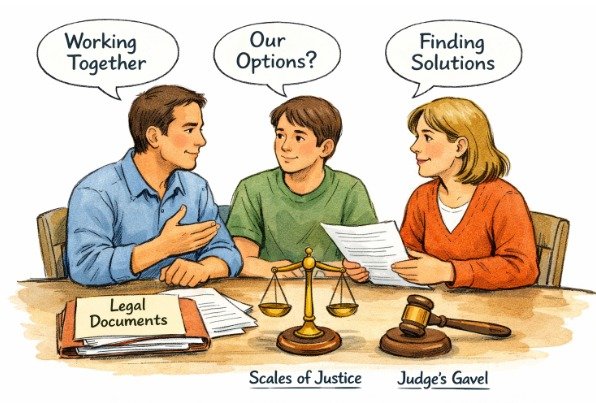
Divorce and Child Custody
Although divorce rates have fallen over the past several decades, it remains a leading source of family legal conflict. Child custody disputes, in particular, are frequently emotional and complex. Courts decide custody arrangements primarily based on the best interests of the child, considering the child’s age, emotional bonds with each parent, and each parent’s ability to meet the child’s needs. Complex visitation schedules, relocation requests, or accusations of neglect can quickly turn a straightforward divorce into a drawn-out legal battle.
Families can protect their children and themselves by learning about the legal standards in their state and seeking legal advice early. According to The New York Times, proper documentation of parenting abilities and cooperation in making child-focused decisions can significantly impact court rulings.
Estate Planning and Inheritance Disputes
When a loved one passes away without a comprehensive estate plan, family members may end up embroiled in heated disputes over assets, property, and sentimental belongings. Siblings, stepchildren, and spouses often have differing interpretations of what the deceased “would have wanted,” leading to lengthy probate processes and sometimes permanent fractures in family relationships.
Creating clear, legally binding wills and trusts is the most effective way to prevent future misunderstandings or resentment. According to experts at Forbes, frequent communication about estate intentions, coupled with timely updates to documents, helps minimize the risk of contentious inheritance battles.
Legal Issues in Blended Families
Blended families often necessitate more frequent updates to legal documents and custody agreements. Remarriages, adoptions, and step-sibling relationships introduce additional complications to estate planning and guardianship. For example, failing to include stepchildren in a revised will or neglecting to update beneficiary information can result in unintended exclusions or court challenges.
Couples forming blended families should review their legal arrangements, including wills, trusts, powers of attorney, and insurance beneficiaries. Mediators or family attorneys can facilitate agreements that address sensitive topics like guardianship and family asset allocation.
Financial Disputes During Divorce
Dividing finances during divorce can be emotionally charged, with key issues including division of assets, debt responsibility, and alimony. Community property states usually split property acquired during marriage equally, but distinguishing community from separate property may require evidence. Consulting legal counsel early helps clarify rights regarding property, child support, and spousal support. For couples with substantial assets, financial experts can perform valuations and trace income to achieve a fair settlement.
Navigating the Legal System
Access to the legal system is another challenge for many families. Common obstacles include the complexity of court paperwork, language and cultural barriers, and the cost of hiring an attorney. These hurdles can stall legal resolutions and perpetuate unstable situations, especially for children or elderly parents.
Families facing such difficulties should take advantage of community resources, court facilitators, and nonprofit legal aid organizations. Many state and local governments offer user-friendly guides and online resources to demystify legal procedures. The American Bar Association’s Find Legal Help provides valuable support to those navigating court systems with limited resources.
Conclusion
Every family is likely to face legal challenges at some point, ranging from divorce and custody disputes to inheritance conflicts. With the right information, planning, and professional guidance, these issues can be navigated thoughtfully and with minimal disruption. Proactive engagement, regular communication, and a willingness to seek help are key factors in maintaining family unity and protecting everyone’s long-term well-being.
