


Table of Contents
- Unique Layouts for Modern Apartments
- Picking the Perfect Color Schemes
- Utilizing Multi-Purpose Furniture
- Maximizing Natural and Artificial Lighting
- Choosing the Right Decor Accessories
- Incorporating Green Living Spaces
- Adding Personal Touches
- Integrating Smart Home Technology
Unique Layouts for Modern Apartments
One of the critical aspects of modern living is maximizing the use of available space. Open floor plans are trendy because they provide flexibility and a sense of spaciousness. Think about integrating open layouts with specific zones for different activities. This approach allows you to designate areas for dining, working, and relaxing without the need for walls, making your home feel more extensive and more connected. For those residing in Cheesman Park apartments, incorporating unique layouts can significantly enhance the living experience. These apartments are designed with flexibility in mind, allowing for creative configurations that suit individual lifestyles. Whether you need a study nook, a reading corner, or a dedicated workout space, an open layout can accommodate all your needs effortlessly.
Picking the Perfect Color Schemes
The aesthetics and mood of your living space can be significantly influenced by color. Choosing a well-rounded color palette that mirrors your style and complements the purpose of every space is crucial. For example, shades such as beige, gray, and white can establish a peaceful and tranquil atmosphere, which makes them perfect choices for bedrooms and living spaces. In contrast, vibrant colors like red, yellow, or teal can bring a lively and energetic feel to areas like kitchens and home offices. Referencing HGTV’s guide on choosing paint colors can provide you with expert advice and inspire your selection process. They suggest considering the room’s purpose, natural light availability, and existing decor when choosing colors. A successful approach involves combining a neutral foundation with hints of color via accessories or accent walls. Soft blues and greens can bring a sense of tranquility to a living room, whereas reds and yellows can provide a feeling of warmth and energy in dining spaces. Furthermore, pastel colors can provide a gentle yet rejuvenating accent to any space, making them flexible choices for different environments.
Utilizing Multi-Purpose Furniture
Multi-purpose furniture can have a significant impact on limited living spaces. Look for furniture that can serve multiple purposes, such as sofa beds, stackable tables, or ottomans with storage space. These items provide additional space and flexibility to your home’s design, allowing you to customize your living area to suit various needs easily. For instance, a fold-out desk can transform a section of a living room into a workspace during the day and be easily put away when not needed. Similarly, a dining table with storage compartments can offer a practical solution to keeping necessary items organized, maximizing space. Another fantastic example involves using a modular sofa that can be rearranged into different configurations. This type of furniture allows you to customize your seating arrangement based on the occasion, whether you’re hosting guests or unwinding at home. Nesting tables are a smart choice because they can be used individually or grouped to save space when not in use.
Maximizing Natural and Artificial Lighting
Lighting is crucial for creating the atmosphere of your space. Increase the amount of natural light in the room by utilizing sheer curtains and light-colored walls, which assist in reflecting daylight and creating a brighter, more spacious atmosphere. Mirrors positioned strategically can also improve the distribution of natural light by bouncing sunlight into dim areas. To create a cozy ambiance with artificial lighting, use a combination of ceiling fixtures, floor lamps, and task lighting that can be adjusted for different times of day and activities. For instance, a mix of primary ceiling lights for overall lighting and supplementary lights for specific tasks such as reading or cooking can offer a well-rounded lighting plan. You can also incorporate intelligent lighting systems, which enable you to adjust brightness and color temperatures through your smartphone or voice commands. This provides both ease and the ability to adjust your lighting to match various moods and scenarios. Adjustable dimmers and color-changing bulbs are excellent choices for creating a flexible lighting atmosphere.
Choosing the Right Decor Accessories
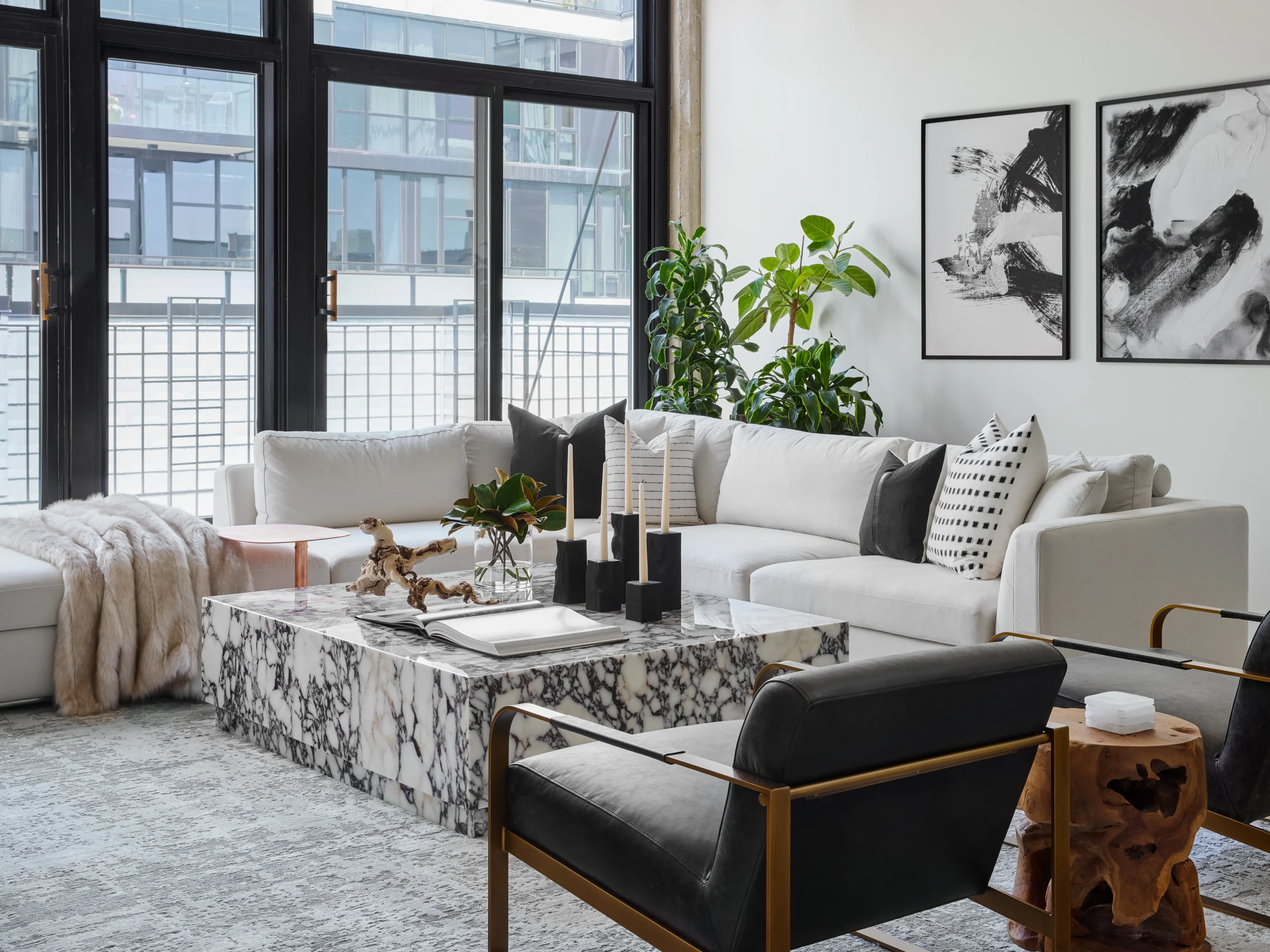
Decorative items such as rugs, throw pillows, and wall art can unify a space and make your design concept come alive. Select accessories that enhance your overall design concept and inject a bit of your unique personality. Pay attention to size and ratio to prevent a messy appearance, making sure each item complements the space. Patterns and textures can enhance the depth and appeal of your decor. For instance, a designed carpet can establish a seating space, capturing focus and unity. Fabrics with textures, such as faux fur pillows, knitted throws, or velvet cushions, can create a cozy and luxurious feel in your living area, enhancing its welcoming atmosphere. When choosing wall decor, think about selecting items that reflect your taste and complement the room’s color palette. Art can act as a central focus, enhancing the visual appeal and personality of a room. Moreover, adding decorative mirrors, vases, and sculptural pieces can enhance the overall look and give a refined touch.
Incorporating Green Living Spaces
Plants in living spaces can enhance aesthetics and promote a healthier environment. They purify the air by removing toxins, releasing oxygen, and adding a refreshing touch to homes. Indoor plants that thrive in low-light conditions are ideal for beginners, as they require minimal maintenance and can fit into different decor styles. A mix of large and small plants can create a balanced and dynamic look, with larger potted plants serving as statement pieces and smaller plants grouped on shelves or tabletops. Hanging plants and vertical gardens can also maximize green exposure without occupying floor space.
Adding Personal Touches
Your home should be a reflection of your personality. Add personal touches through family photos, unique art pieces, or DIY decorations. These elements make your space uniquely yours and create a welcoming atmosphere that tells your story. Consider rotating your art and decor seasonally or whenever you’re in need of a refresh. This approach keeps your living space feeling new and exciting, preventing it from becoming stagnant. Personalized items like custom-made name signs, monogrammed cushions, or handcrafted decorations can also add a bespoke touch to your home. Making a collage on a wall using a variety of photos, artwork, and memorabilia is an excellent way to display your cherished memories and hobbies. This customized showcase serves as a central attraction and topic opener, bringing coziness and personality to your home environment.
Integrating Smart Home Technology
Smart home technology such as smart thermostats, voice-activated assistants, and automated lighting systems can enhance energy efficiency and convenience in your home. These gadgets can adapt to your routine, control the temperature, and simplify your daily activities. Voice-activated assistants can manage numerous devices, offering a hands-free option for activities such as setting reminders or looking up information. Sophisticated security systems, like cameras and smart locks, provide improved safety functions, enabling monitoring and securing from a distance. By keeping informed about the newest smart home advancements, you can select the most suitable choices for your requirements and establish a contemporary and elegant living environment.
