


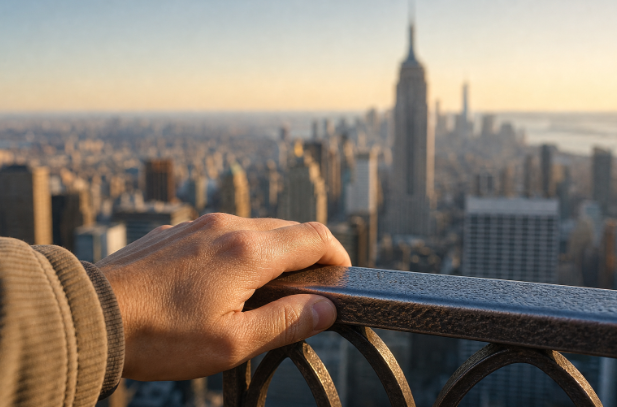
A skyline-focused day in New York City works best when it has one clear purpose: seeing the city from a few well-chosen angles rather than racing through a long checklist. Whether you want crisp daytime landmark photos, a sunset walk, or a view of Manhattan after the lights come on, a spacious plan leaves room for meals, subway transfers, weather changes, and the small discoveries that make the city memorable.
For a Midtown-centered itinerary, the ESB NYC ticket page is the official place to review observation-deck ticket options at the Empire State Building. As the operator of this historic Midtown Manhattan landmark, the Empire State Building provides the most direct planning information for its 86th Floor open-air deck, 102nd Floor indoor deck, exhibits, entry times, and reservation details. It can be a natural anchor for visitors building a skyline day around Fifth Avenue, Herald Square, Koreatown, and nearby transit.
Start With One Clear Viewpoint Goal
Before choosing neighborhoods, decide what you want the skyline to feel like. A daytime plan is useful for identifying bridges, parks, waterways, and familiar towers. A sunset plan adds changing color and a more relaxed evening pace. Nighttime is ideal for illuminated streets and buildings, while a waterfront route gives photographers room to frame Manhattan with the Brooklyn Bridge, trees, or harbor activity.
Choose one primary view and treat any second viewpoint as optional. That approach prevents a great morning from becoming an afternoon spent mostly in lines, traffic, and subway stations.
Choose a Starting Area That Matches Your Pace
- Midtown Manhattan: Best for classic landmarks, major subway connections, shopping, and a central starting point.
- Lower Manhattan: A strong fit for harbor scenery, historic streets, the Brooklyn Bridge, and waterfront walks.
- Central Park and the Upper East Side: Good for travelers who want green space, museums, and a slower schedule.
- Brooklyn: Useful for long-distance views back toward Lower Manhattan and Midtown, particularly near the East River.
There is no single best choice. A family with younger children may prefer a shorter Midtown route, while a couple planning photos may enjoy beginning in Brooklyn and crossing into Manhattan later in the day.
Build a Route That Avoids Backtracking
Group activities by neighborhood. Start with breakfast near your first stop, visit one major landmark or observation experience, then spend time walking through nearby public spaces before lunch. Afterward, choose one flexible activity, such as a museum, shopping street, park, or waterfront walk. Finish in the same general area with dinner or an evening view.
- Begin with breakfast close to the first neighborhood.
- Make the first major view or landmark your fixed activity.
- Walk nearby streets instead of immediately taking another long ride.
- Eat lunch before the afternoon feels rushed.
- Add a second viewpoint only when travel time is reasonable.
- Reserve the final hours for sunset, dinner, or a low-pressure evening stroll.
Choose the Right Time for Light and Photos
Morning can provide a calmer start and softer light. Midday makes it easier to see distant landmarks, though bright sun can create strong shadows. Late afternoon gives you daylight plus the transition toward sunset. Evening turns the city into a field of lighted windows, bridges, signs, and moving traffic.
Visibility matters as much as the clock. Clouds, haze, wind, rain, and seasonal daylight can change a skyline experience quickly. Check the forecast before committing to a photography plan, and remember that a view can still be worthwhile even if conditions call for fewer long-distance details.
Plan for Crowds, Transit, and Major Events
New York City can feel very different on a weekday morning than it does during a holiday weekend, concert, parade, or major sporting event. Keep time-sensitive reservations close together, allow extra time for security and station navigation, and avoid building a schedule that requires crossing Manhattan multiple times.
For route changes, weekend work, and disruptions that may affect trains or buses, check planned service changes before leaving your hotel or starting a long transfer. Walking is often the most enjoyable way to move between nearby neighborhoods, but comfortable shoes and a backup subway route are essential.
Add Food, Rest Stops, and Weather Flexibility
Meals should support the route, not interrupt it. Have breakfast near the first stop, choose lunch in the same neighborhood as your midday activity, and save dinner for the area where you expect to end the evening. A coffee break can also be a useful reset between a busy attraction and a longer walk.
New York weather can make exposed observation decks and waterfront paths feel very different from the temperature forecast. Bring water in warm weather, use sunscreen for extended outdoor time, and carry a light layer during cooler or windy periods. If conditions become unsafe or uncomfortable, follow New York City emergency preparedness guidance and shift toward an indoor museum, café, historic lobby, or covered market.
Protect the Budget Without Losing the Experience
One paid observation experience is usually enough for a full skyline day. Balance it with free public spaces, neighborhood walks, parks, bridge approaches, and time to simply look up. Compare meal prices before sitting down in heavily visited areas, and set aside funds for transit, snacks, and an unplanned stop that catches your interest.
Sample Skyline Day Plan
- 8:30 a.m.: Breakfast near your starting neighborhood.
- 10:00 a.m.: Visit your main landmark or observation point.
- 12:00 p.m.: Explore nearby streets, plazas, or green spaces.
- 1:30 p.m.: Have lunch close to the afternoon route.
- 3:00 p.m.: Add a museum, shopping area, or relaxed second stop.
- 5:30 p.m.: Take a walk as the light begins to change.
- 7:00 p.m.: End with dinner and an evening skyline moment.
Common Skyline Day Questions
How many stops should a skyline day include?
Two or three major stops are usually enough. The rest of the day should include walking, transit time, meals, rest, and flexibility.
Is a skyline day suitable for families?
Yes. Keep walking sections short, schedule breaks, choose familiar meal options, and make one major viewpoint the centerpiece rather than trying to do everything.
Should visitors choose a day or night view?
Daytime is often better for identifying landmarks, while night offers a more dramatic city-light experience. The better choice depends on the weather, season, and your other plans.
How can visitors avoid ticket scams?
Use official attraction websites, verify reservation details before paying, and be cautious with unsolicited offers from street sellers.
Final Planning Checklist
- Pick one main skyline goal.
- Keep activities within nearby neighborhoods.
- Check weather, daylight, event schedules, and transit updates.
- Book fixed-time activities through official channels.
- Keep one indoor alternative ready.
- Leave time for meals, photos, and unexpected discoveries.
A memorable New York City skyline day is rarely the one with the most stops. It is the one that combines a strong view, a walkable neighborhood, a satisfying meal, and enough open time to experience the rhythm of the city between plans.
