


Smartphone trends are pushing mobile technology toward devices that feel faster, smarter, and more useful in daily life. Buyers now expect more than bigger screens and slimmer bodies. They want AI-powered photography, longer battery life, stronger connectivity, better privacy, and performance that stays smooth over time. Camera systems continue to improve for social content, work, and everyday memories, while on-device intelligence helps phones learn habits and respond more efficiently. At the same time, hardware innovation is making smartphones more durable, energy efficient, and ready for demanding apps and 5G networks. These changes matter because they shape how people communicate, create, shop, work, and entertain themselves. Understanding the biggest smartphone trends helps users choose devices that remain practical and capable for years.
AI and Smart Features Are Redefining Smartphone Experiences
AI Tools Improving Photography, Performance, and Personalization
AI has become one of the most influential smartphone trends because it improves daily use without requiring extra effort from the user. In photography, AI can detect scenes, optimize exposure, sharpen details, and enhance portraits or night shots in seconds. It also helps with battery management by learning usage patterns and limiting background activity when needed. Performance benefits appear through smarter resource allocation, which keeps apps responsive and reduces lag. Personalization is improving as phones suggest routines, organize content, and adapt settings based on habits. These tools matter because they make smartphones feel more intuitive, delivering practical improvements instead of just adding features users rarely use.
Smarter Mobile Assistance and On-Device Intelligence Growth
Smartphone innovation is also moving toward stronger on-device intelligence, where more tasks happen directly on the phone instead of relying entirely on the cloud. This improves speed, supports privacy, and allows key features to work more reliably in different conditions. Smart assistance now includes real-time voice support, better text prediction, call filtering, translation tools, and context-aware suggestions for navigation, reminders, and productivity. Devices are becoming better at understanding what users need in the moment, not just reacting to commands. This shift is important because mobile technology increasingly serves as a personal assistant, content tool, and communication hub. Smarter assistance saves time and makes smartphones more helpful across work, travel, and everyday routines.
Next-Level Hardware Innovations Driving Smartphone Development
Advanced Cameras and Imaging Technology for Better Content Creation
Camera innovation remains central to smartphone trends because users want high-quality photos and video without carrying separate gear. Modern smartphones use larger sensors, improved image processing, and stronger stabilization to create clearer results in varied lighting. Features such as portrait enhancement, night photography, HDR optimization, and AI-assisted editing support social sharing and content creation. Better front and rear camera systems also help with video calls, short-form video, and mobile storytelling. Imaging technology now focuses on speed as well as quality, allowing users to capture moving subjects more accurately. For many buyers, camera performance is no longer secondary. It is one of the most important reasons to upgrade.
Battery, Charging, and Performance Improvements Behind Modern Phones
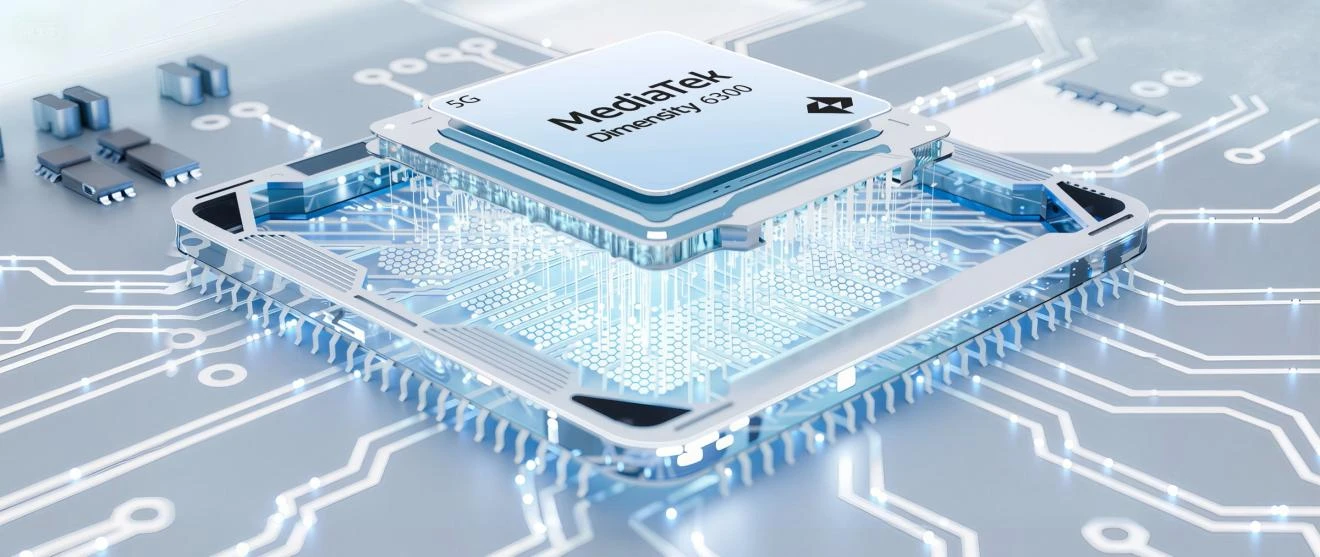
Battery life and charging speed are major factors in smartphone development because users expect dependable all-day performance. Newer phones combine efficient chipsets, smarter power management, and higher-capacity batteries to reduce interruptions. Faster charging also adds convenience, making it easier to top up quickly between tasks. Performance improvements matter just as much. Better processors, smoother displays, and optimized software help phones handle multitasking, gaming, streaming, and 5G connectivity more effectively. Thermal control is another key trend, since phones must stay stable during heavy use. Together, these hardware upgrades make smartphones more practical for demanding lifestyles, giving users stronger reliability instead of focusing only on cosmetic design changes.
How Users Can Choose Smartphones Ready for Future Trends
Key Features to Consider Before Upgrading Your Smartphone
Choosing a smartphone for future needs means looking beyond appearance and focusing on features that improve long-term value. Start with processor efficiency, RAM, storage, and software support, since these affect speed and lifespan. Battery capacity and charging performance are essential for daily convenience, while display quality matters for reading, streaming, and gaming. A capable camera system is important for content creation and communication. Buyers should also check 5G support, security features, and durability for better long-term use. AI features deserve attention when they offer meaningful help with photography, productivity, or power management. A future-ready smartphone should balance performance, connectivity, practicality, and software intelligence rather than relying on trend-driven design alone.
Why Future-Ready Devices Like HONOR X6d 5G Meet Modern Needs
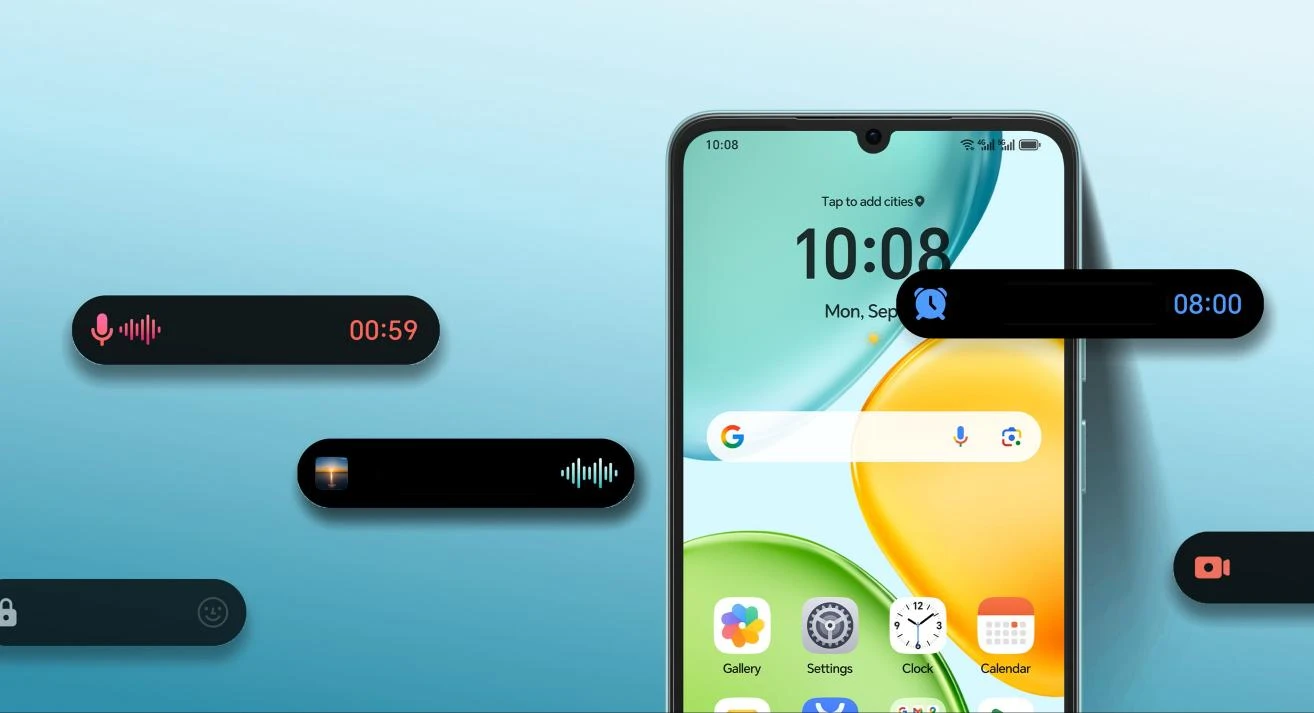
Future-ready devices like the HONOR X6d 5G smartphone align well with current smartphone trends by focusing on practical features that support everyday use. With 5G connectivity, it is prepared for faster mobile networks and more responsive streaming, browsing, and communication. Its large display supports comfortable viewing, while a long-lasting battery helps users stay productive and entertained throughout the day. Reliable performance, useful camera features, and a design built for daily handling also reflect what buyers expect from modern smartphones. For users who want balanced value, this kind of device meets real needs instead of chasing unnecessary extras. That makes it a relevant example of how mobile technology is evolving around usability.
Conclusion
The biggest smartphone trends today center on intelligence, efficiency, and user-focused design. AI is improving photography, personalization, and assistance, while hardware advances continue to raise expectations for cameras, battery life, charging, and overall performance. These changes are shaping smartphones into more capable tools for communication, content creation, productivity, and entertainment. For buyers, the best upgrade decision comes from choosing a device that combines practical features with long-term readiness. Looking at connectivity, battery strength, software intelligence, and camera quality helps narrow the options. Smartphones that match these priorities are not just current. They are better prepared for the next stage of mobile technology.
