


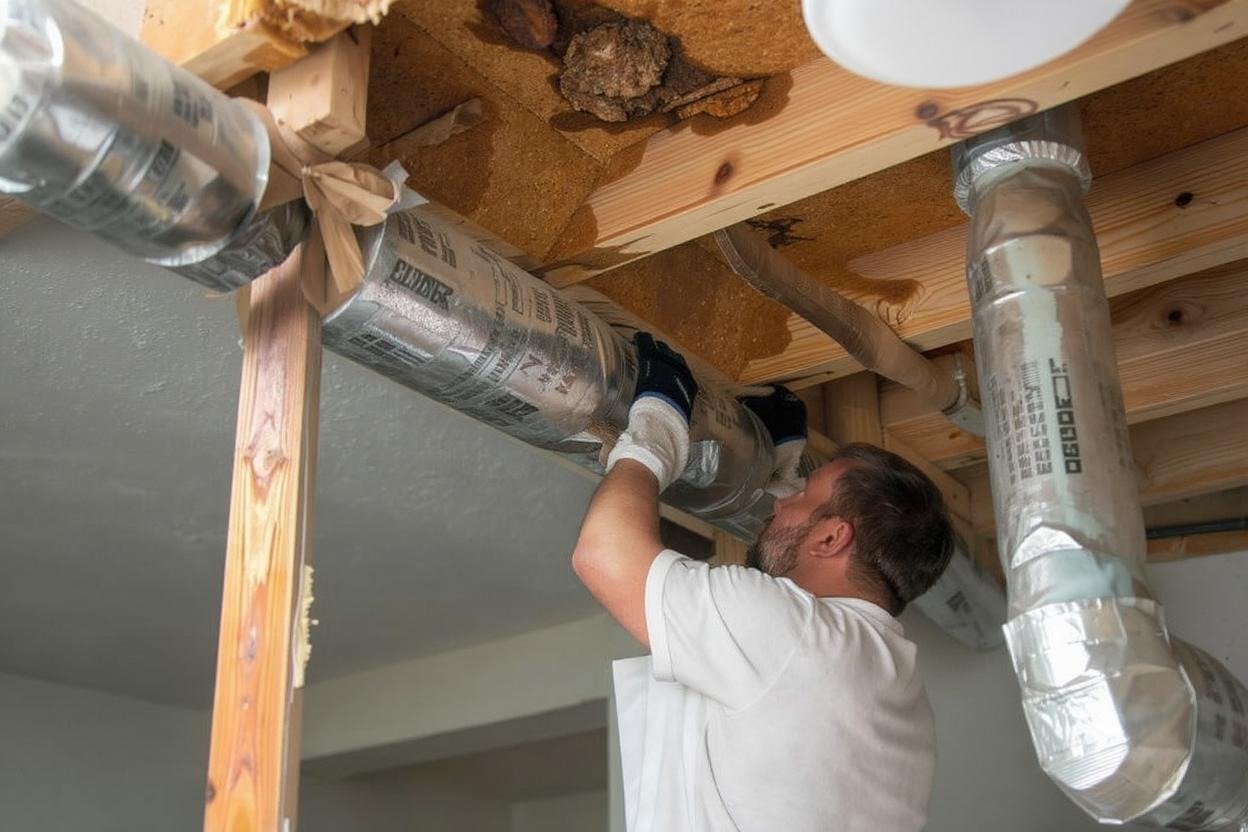
Water is essential to life, but when it infiltrates your home in the wrong places, it can become a silent destroyer. Water damage is one of the most insidious threats to a home’s structural integrity. It often begins unnoticed—perhaps a slow leak behind a wall or a minor roof drip during a storm—but over time, it can compromise the very bones of your house. Understanding how water damage affects your home’s structure and knowing how to respond can save you from costly repairs and long-term hazards.
The Hidden Dangers of Water Intrusion
Water damage doesn’t always announce itself with a dramatic flood. It can creep in through cracked foundations, leaky roofs, burst pipes, or even high indoor humidity. Once inside, water begins to interact with the materials that make up your home—wood, drywall, concrete, insulation, and metal—each of which reacts differently but detrimentally to prolonged exposure.
Wood, a common structural material, is particularly vulnerable. When exposed to moisture, it can swell, warp, and eventually rot. Load-bearing beams and joists may weaken, leading to sagging floors, misaligned doors, and even the risk of collapse. Moist wood also attracts pests like termites and carpenter ants, which accelerate the damage by hollowing out structural supports.
Concrete and masonry, while more resilient, are not immune. Water can seep into cracks and pores, especially during freeze-thaw cycles, causing expansion and further cracking. Over time, this can lead to foundation shifting, wall bowing, and compromised support structures. Efflorescence—white, powdery mineral deposits left behind by evaporating water—can also degrade surfaces and signal deeper moisture problems.
Metal components such as nails, fasteners, and steel reinforcements are susceptible to rust and corrosion. As these elements deteriorate, they lose their strength and can fail under stress, jeopardizing the stability of walls, roofs, and floors.
Signs Your Home’s Structure May Be Compromised
The effects of water damage clean up near me are not always immediately visible. However, there are several warning signs that may indicate structural issues. These include uneven or sagging floors, cracks in walls or ceilings, doors and windows that no longer close properly, and visible mold or mildew. A musty odor, especially in basements or crawl spaces, often signals hidden moisture and potential decay.
In more advanced cases, you might notice bulging walls, peeling paint, or bubbling wallpaper. These symptoms suggest that water has infiltrated behind the surface and is affecting the underlying materials. Ignoring these signs can lead to escalating damage and higher repair costs down the line.
Immediate Steps to Take After Discovering Water Damage
If you suspect water damage, the first step is to identify and stop the source. This may involve shutting off the main water supply, repairing a roof leak, or addressing drainage issues around your foundation. Once the source is controlled, begin drying out the affected area. Use fans, dehumidifiers, and open windows to promote air circulation. Remove wet materials such as carpets, insulation, and drywall that cannot be salvaged.
Document the damage with photos and notes, especially if you plan to file an insurance claim. Contact your insurance provider promptly and consider hiring a professional restoration company to assess the extent of the damage and begin remediation.
How Restoration Experts Address Structural Water Damage
Professional water damage restoration follows a systematic approach. It begins with a thorough inspection using moisture meters and infrared cameras to detect hidden water. Once the scope is determined, technicians extract standing water and begin the drying process using industrial-grade equipment.
Damaged materials are removed and replaced, and antimicrobial treatments are applied to prevent mold growth. In cases where structural elements like beams or joists are compromised, repairs or reinforcements are made to restore integrity. Restoration experts also address secondary issues such as electrical hazards, insulation replacement, and air quality improvement.
Preventing Future Water Damage
Prevention is the most effective strategy against structural water damage. Regularly inspect your roof, gutters, and downspouts to ensure they are in good condition and directing water away from your home. Seal foundation cracks and maintain proper grading around your property to prevent water pooling. Install sump pumps and backflow valves in flood-prone areas, and consider using water leak detectors for early warning.
Inside the home, monitor plumbing systems for leaks, insulate pipes to prevent freezing, and maintain appliances like water heaters and washing machines. Keeping humidity levels in check with dehumidifiers and proper ventilation also helps protect against moisture buildup.
Conclusion: Protecting the Integrity of Your Home
Water damage is more than a cosmetic issue—it’s a structural threat that can undermine the safety and value of your home. By understanding how water affects different building materials and recognizing the early signs of damage, you can take swift action to mitigate harm. Whether through DIY efforts or professional restoration, addressing water damage promptly and thoroughly is key to preserving your home’s integrity and your peace of mind. Elevate your next renovation project with the trusted craftsmanship and decades of experience found at Zicklincontracting.com.
