


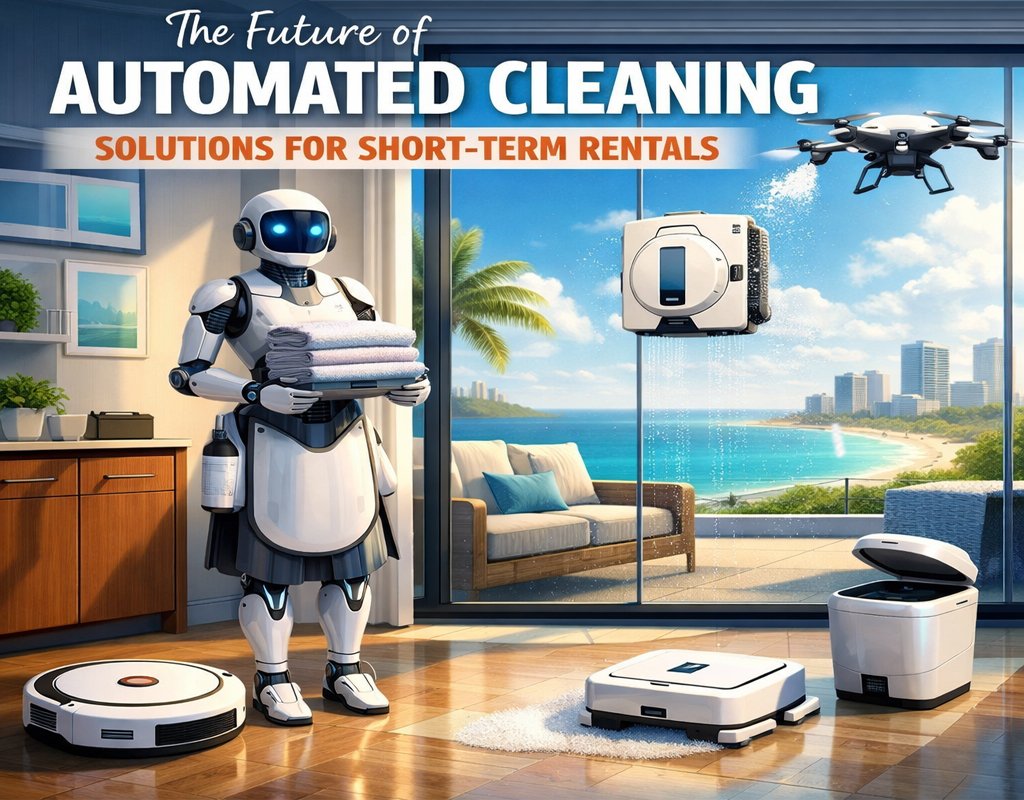
The explosive growth in the short-term rental market presents both exciting opportunities and urgent operational challenges for hosts and property managers. With guests holding increasingly high standards for cleanliness and efficiency, the quest for streamlined turnovers has never been more critical. As demand accelerates, leveraging cutting-edge cleaning automation, such as the best Airbnb cleaning services, will be key to staying competitive and guaranteeing exceptional guest experiences.
Automated cleaning solutions are fundamentally transforming the hospitality industry by introducing efficiency, reliability, and scalability to property management. These innovations minimize the risk of negative guest feedback from lapses in cleanliness and help property owners effectively manage high turnover while meeting strict cleanliness expectations.
Rising Demand for Efficient Turnovers
The rising popularity of vacation rentals and home-sharing platforms has accelerated the turnover frequency for most properties. Guests routinely expect properties to be spotless upon arrival. Any inconsistencies in cleaning quality or delays in turnover can result in lower ratings, poor reviews, and lost bookings, affecting a host’s reputation and revenue. Automated cleaning solutions help meet these expectations by introducing consistency and accountability to the turnover process. Today’s travelers gauge a property’s cleanliness as a core part of their overall experience. Hosts who maintain a rigorous cleaning routine, supported by checklists and reliable staff, are more likely to earn repeat bookings and positive word-of-mouth referrals. Consistent attention to detail in every turnover reinforces guest trust and enhances long-term property performance.
AI-Driven Cleaning Scheduling
Artificial Intelligence has become a cornerstone in the quest for operational efficiency. Companies use AI-driven scheduling tools to sync booking calendars with cleaning staff availability, automating the process end to end. For instance, platforms like CleanHaus deploy AI agents to automatically notify cleaners of new check-ins and check-outs, eliminating the need for routine manual coordination. This not only reduces administrative workload for hosts but also limits opportunities for errors or missed turnovers.
AI-driven scheduling offers additional benefits, such as automatically reporting maintenance issues and tracking cleaning outcomes. With the technology’s ability to prioritize urgent turnovers and optimize cleaner routes, properties remain guest-ready with minimal intervention from the property owner or manager.
Integrated Cleaner Marketplaces
Integrated cleaner marketplaces enable hosts to connect directly with a vetted network of cleaning professionals, ensuring reliable service whenever needed. Platforms such as Hospitable have launched cleaner marketplaces that facilitate real-time tracking of every cleaning job, instant proof of completion, and even streamlined communication between cleaners and hosts. This integration helps foster accountability and transparency, critical factors for trust in the fast-moving rental sector.
By leveraging these marketplaces, property owners can quickly find replacements when a preferred cleaner is unavailable and maintain high turnover standards even during periods of elevated demand. This technological leap helps ensure seamless year-round continuity of property management operations.
Smart Home Technologies Enhancing Cleaning
Smart home technology has become an integral part of modern short-term rental management. Devices such as smart thermostats, smart locks, and occupancy sensors can automate and optimize the cleaning process. Smart thermostats can adjust indoor temperatures between stays, reducing utility costs while keeping the property comfortable for cleaners. Meanwhile, smart locks allow cleaners to access the property safely and securely for a limited time window, ensuring both property security and operational efficiency.
These devices can also be configured to provide alerts to cleaning staff or property managers if guests check out early, if unexpected guests remain in the home, or if certain maintenance issues arise. The integration of smart home tech ultimately reduces costly mistakes and helps properties operate more sustainably and efficiently.
Addressing Cleaning Staff Shortages
The hospitality industry, including short-term rentals, has had ongoing difficulty retaining and sourcing quality cleaning staff. In fact, industry surveys indicate that over one-third of vacation rental operators have lost bookings or received negative feedback due to cleaning-related staffing shortages. Automated systems, such as scheduling tools and cleaner marketplaces, help mitigate these issues by expanding the pool of available cleaners and introducing smart redundancy to avoid service lapses.
As demand fluctuates during peak and off-peak seasons, automation platforms flexibly scale operations up or down. This ensures properties remain guest-ready without overburdening staff. Additionally, automated reminders, real-time task tracking, and integration with property management systems reduce errors, improve accountability, and maintain consistent cleaning standards regardless of staff availability.
Future Trends in Automated Cleaning
Looking ahead, AI and automation will continue to play an increasingly central role. The adoption of AI-powered communications streamlines not only cleaning operations but also guest messaging and maintenance coordination, saving property managers considerable time and resources per property managed. These digital advances empower short-term rental hosts to deliver higher standards of cleanliness at lower operational costs and with much greater consistency. Continued enhancements in integration across booking, communication, and cleaning platforms will make managing multiple properties simpler and more scalable. In the coming years, automated cleaning solutions will become standard for all professionally managed short-term rentals, raising the bar industry-wide for what guests expect in terms of hygiene and operational transparency.
Conclusion
The future of short-term rental management is inseparable from the evolution of automated cleaning solutions. Integration of AI-driven scheduling, responsive cleaner marketplaces, and smart home technologies is setting new standards for operational efficiency. These innovations help hosts protect their reputations, retain more bookings, and ensure guest satisfaction, all while navigating the industry’s complex staffing and operational challenges. Adopting these solutions today is crucial for short-term rental operators seeking to thrive in a highly competitive and fast-evolving marketplace.
